Sustainable Real Estate: Green Building Trends Shaping Dubai's Future
Dubai is leading the Middle East in sustainable development with innovative green building initiatives. Discover how environmental consciousness is driving the future of real estate investment.
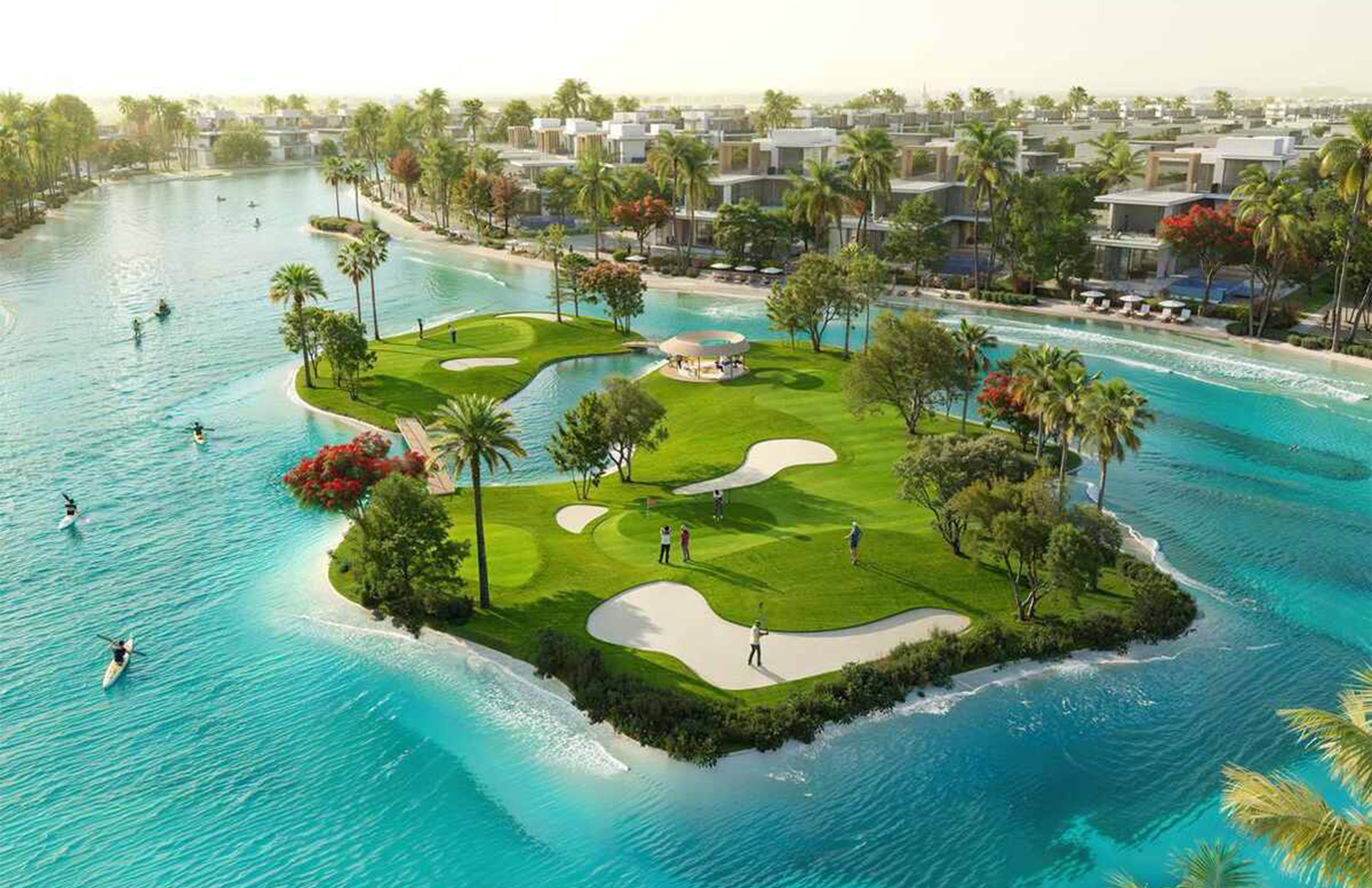
Dubai's commitment to sustainability is reshaping the real estate landscape, with green building standards becoming increasingly important for investors and residents alike.
Dubai's Sustainability Vision:
The Dubai Clean Energy Strategy 2050 aims to provide 75% of Dubai's energy from clean sources, driving demand for energy-efficient buildings and sustainable communities.
Green Building Standards:
Key certifications driving the market:
- LEED (Leadership in Energy and Environmental Design)
- BREEAM (Building Research Establishment Environmental Assessment Method)
- Green Building Regulations by Dubai Municipality
- Estidama (Abu Dhabi's sustainability framework)
Market Impact:
Sustainable properties show superior performance:
- 15-20% higher rental premiums
- 10-15% better capital appreciation
- Lower operating costs (20-30% energy savings)
- Higher occupancy rates
- Increased tenant retention
Innovative Green Technologies:
1. Solar Integration: Rooftop and building-integrated photovoltaic systems
2. Smart Building Systems: IoT-enabled energy management and automation
3. Water Conservation: Greywater recycling and smart irrigation systems
4. Sustainable Materials: Locally-sourced and recycled building materials
5. Green Roofs and Walls: Natural insulation and air purification
Key Sustainable Developments:
- The Sustainable City: 100% solar-powered community with electric vehicle charging
- Al Barari: Luxury eco-friendly villas with botanical gardens
- City Walk: LEED Gold certified mixed-use development
- Dubai Hills Estate: Central park with sustainable landscaping
Investor Benefits:
1. Future-Proofing: Compliance with evolving environmental regulations
2. Cost Savings: Reduced utility bills and maintenance costs
3. Premium Positioning: Appeal to environmentally-conscious tenants
4. ESG Compliance: Meeting environmental, social, and governance criteria
Challenges and Opportunities:
- Higher initial construction costs offset by long-term savings
- Limited availability of certified sustainable properties
- Growing demand from international corporations with sustainability mandates
- Government incentives for green building adoption
Future Trends:
1. Net-Zero Buildings: Carbon-neutral developments becoming standard
2. Circular Economy: Buildings designed for disassembly and material reuse
3. Biophilic Design: Integration of natural elements for wellness
4. Smart Grid Integration: Buildings as energy producers and consumers
Investment Strategy:
To capitalize on sustainable real estate trends:
- Target developments with recognized green certifications
- Focus on energy-efficient buildings with smart technology
- Consider communities with sustainable infrastructure
- Evaluate long-term operational cost savings
Government Initiatives:
- Green Building Regulations mandate sustainability standards
- Shams Dubai program promotes solar energy adoption
- Dubai Municipality green loan programs
- Fast-track approvals for sustainable developments
Conclusion:
Sustainable real estate represents the future of Dubai's property market. Investors who embrace green building trends will benefit from superior returns, reduced operational costs, and alignment with global sustainability goals. The transformation towards sustainable development is not just an environmental imperative but a sound investment strategy.
Dubai's Sustainability Vision:
The Dubai Clean Energy Strategy 2050 aims to provide 75% of Dubai's energy from clean sources, driving demand for energy-efficient buildings and sustainable communities.
Green Building Standards:
Key certifications driving the market:
- LEED (Leadership in Energy and Environmental Design)
- BREEAM (Building Research Establishment Environmental Assessment Method)
- Green Building Regulations by Dubai Municipality
- Estidama (Abu Dhabi's sustainability framework)
Market Impact:
Sustainable properties show superior performance:
- 15-20% higher rental premiums
- 10-15% better capital appreciation
- Lower operating costs (20-30% energy savings)
- Higher occupancy rates
- Increased tenant retention
Innovative Green Technologies:
1. Solar Integration: Rooftop and building-integrated photovoltaic systems
2. Smart Building Systems: IoT-enabled energy management and automation
3. Water Conservation: Greywater recycling and smart irrigation systems
4. Sustainable Materials: Locally-sourced and recycled building materials
5. Green Roofs and Walls: Natural insulation and air purification
Key Sustainable Developments:
- The Sustainable City: 100% solar-powered community with electric vehicle charging
- Al Barari: Luxury eco-friendly villas with botanical gardens
- City Walk: LEED Gold certified mixed-use development
- Dubai Hills Estate: Central park with sustainable landscaping
Investor Benefits:
1. Future-Proofing: Compliance with evolving environmental regulations
2. Cost Savings: Reduced utility bills and maintenance costs
3. Premium Positioning: Appeal to environmentally-conscious tenants
4. ESG Compliance: Meeting environmental, social, and governance criteria
Challenges and Opportunities:
- Higher initial construction costs offset by long-term savings
- Limited availability of certified sustainable properties
- Growing demand from international corporations with sustainability mandates
- Government incentives for green building adoption
Future Trends:
1. Net-Zero Buildings: Carbon-neutral developments becoming standard
2. Circular Economy: Buildings designed for disassembly and material reuse
3. Biophilic Design: Integration of natural elements for wellness
4. Smart Grid Integration: Buildings as energy producers and consumers
Investment Strategy:
To capitalize on sustainable real estate trends:
- Target developments with recognized green certifications
- Focus on energy-efficient buildings with smart technology
- Consider communities with sustainable infrastructure
- Evaluate long-term operational cost savings
Government Initiatives:
- Green Building Regulations mandate sustainability standards
- Shams Dubai program promotes solar energy adoption
- Dubai Municipality green loan programs
- Fast-track approvals for sustainable developments
Conclusion:
Sustainable real estate represents the future of Dubai's property market. Investors who embrace green building trends will benefit from superior returns, reduced operational costs, and alignment with global sustainability goals. The transformation towards sustainable development is not just an environmental imperative but a sound investment strategy.